
Teach Movement. Build Athletes. Develop Character.
One of the most influential books ever written for strength coaches isn’t the newest bestseller or the latest training trend. It’s How to Teach Weightlifting in High School and College by legendary Olympic weightlifting coach Carl Miller. Even decades after it was published, its lessons remain just as relevant today.
Miller believed something that every coach should remember: the weight room is a classroom.

The goal isn’t simply to make athletes stronger. It’s to teach them how to move, how to learn, and how to develop the habits that carry over into sports—and life.
One of the biggest takeaways from Miller’s philosophy is that technique always comes before weight. Every athlete wants to load more plates on the bar, but strength built on poor movement is strength waiting to break down. Great coaches know that mastering body position, balance, bar path, and timing is what creates long-term success. The weight can always come later.
This is especially important for young athletes. High school players often believe harder is always better. Miller taught that smarter is better. Start with an empty bar. Learn the movement. Repeat it until it becomes second nature. Then, and only then, begin adding resistance.
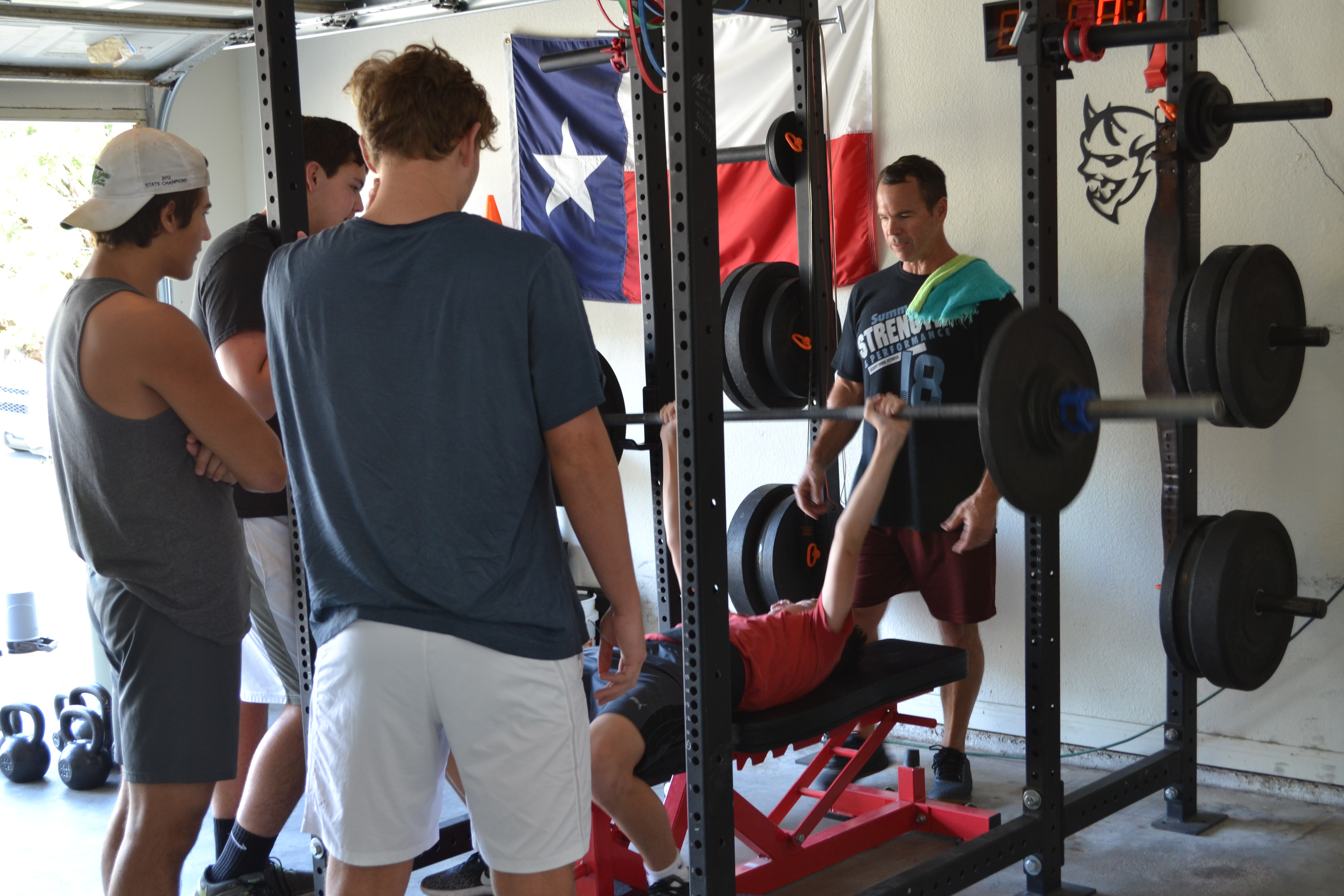
I see the same thing in my own garage gym. Whether it’s a baseball player learning to squat, a football player mastering a deadlift, or a middle-distance runner developing power, the athletes who focus on quality movement improve faster and stay healthier than those chasing numbers.
Another lesson I appreciate is that coaching never stops. A coach isn’t standing in the corner counting repetitions. A coach is watching every lift, making small corrections, encouraging effort, and reinforcing good habits. Tiny adjustments today prevent major problems tomorrow.
Miller also understood that the weight room builds much more than muscle. It develops discipline, patience, confidence, accountability, and mental toughness. Those qualities don’t disappear when practice ends. They show up in the classroom, on the field, in the workplace, and eventually in family life.
Training trends will continue to come and go. New equipment will be invented. Social media will promote the next “secret” workout. But the fundamentals haven’t changed.
Teach movement first.
Demand great technique.
Coach every repetition.
Build character along with strength.
That’s how you develop athletes who not only perform better today, but continue improving for years to come. And that’s a philosophy worth carrying into every weight room.
-Scott